
OBESITY
TREATING OBESITY VIA DIET, EXERCISE, PHARMACOLOGICAL AND SURGICAL METHODS
ANNE MARIE SCHAEPERS PA
4/15/2025
Hello and wellcome to my blog: Obesity. This blog is being written with healthcare providers/students in general and PA providers/students in particular. Hope you are able to use the information presented in this blog to help care for your patients.
This blog will cover how obesity affects your patients and how they can reduce their waistline and become healthier, with various methods of weight loss : non-medical/non surgical (exercise/diet), pharmacological and surgical. It seems as if every few years another miracle weight loss method has been discovered and makes its way onto social media as the way to magically shed pounds: amphetamine diet tablets, Atkin's diet, low fat diet, low carb diet, vegan diet, the latest fat melting pill that some celebrity has discovered, weight loss clothing.
Obesity is a medical condition where a person has an excessive amount of body fat. It is a chronic complex disease that poses a risk to health. It is not just a cosmetic concern - it significantly increases the risk of developing a range of serious health conditions.
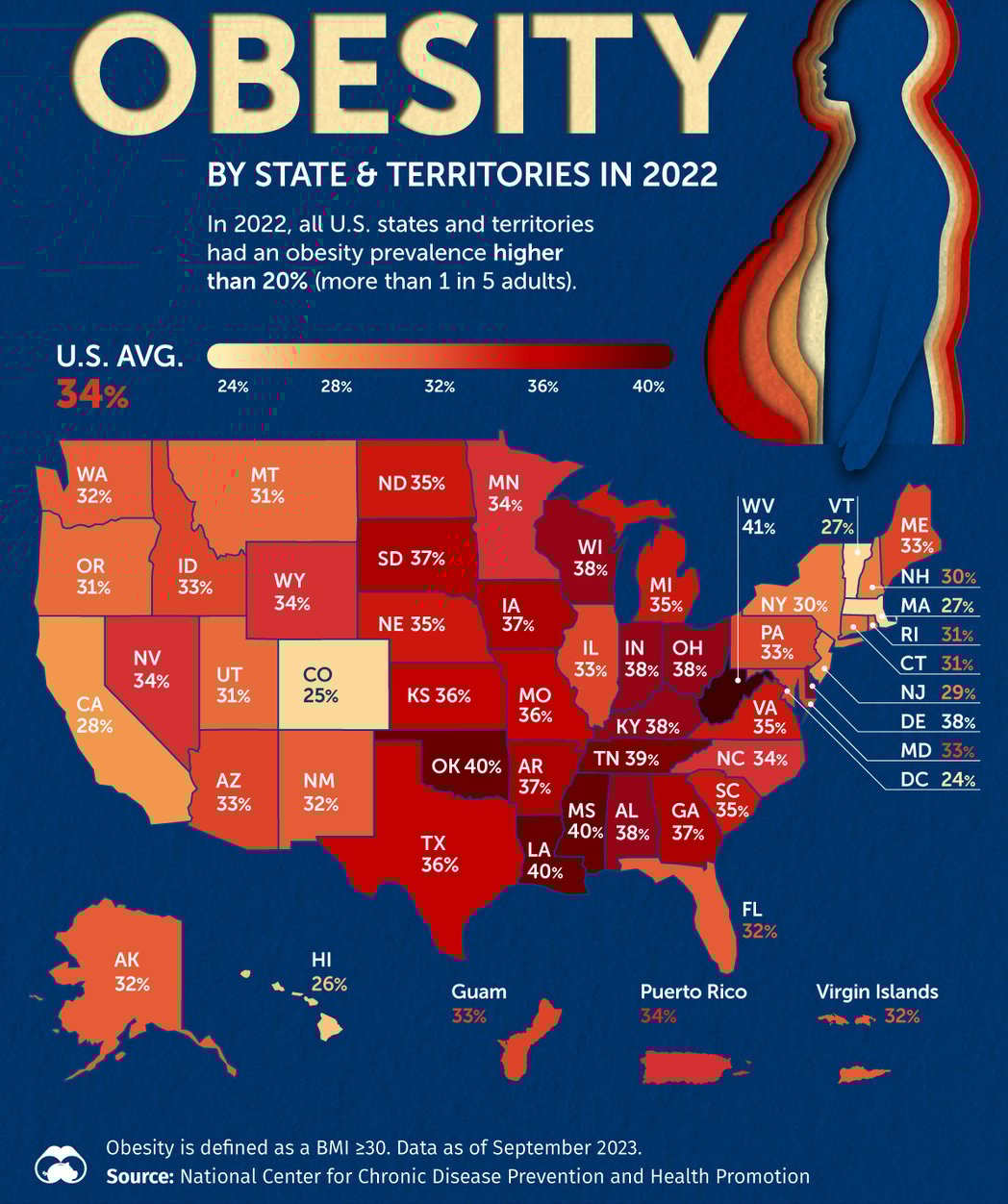
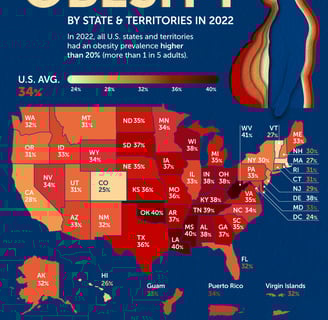
According to the CDC, more than 2 in 5 American adults are obese. The CDC prevalence maps show a breakdown of obesity rates by race/geographic location.
If you look at obesity statistics compiled by USA facts, you will see that the obesity rates in America has tripled over the past 60 yrs. Almost 70% of Americans fit into one of two categories, overweight or obese. There are 10x the number of people today, compared to the 1960s, of those in the severe obesity category. If you compare percentage wise the numbers of people, in the obesity categories, you would see a trend of alarming increases:1960's 13% of Americans were considered obese compared to 43% today, <1% were considered to be several obese compared to almost 10% today, obesity in childhood in the United Stats has more than tripled, going from 5% to more than 19% today.
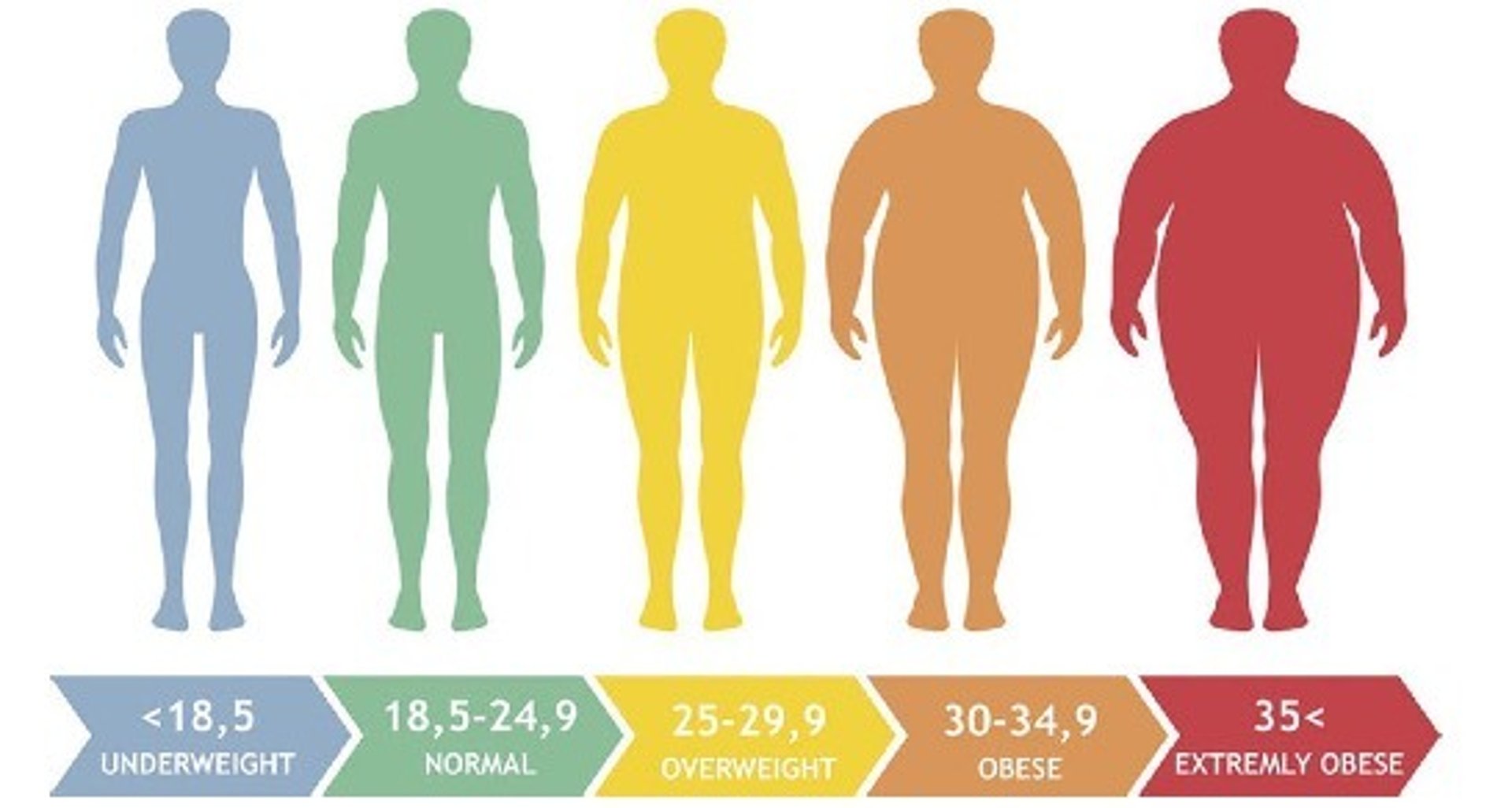
Body Mass Index (BMI) is the most commonly used measurement for classifying whether or not weight is in healthy range. BMI categories:
Underweight: BMI < 18.5
Normal weight BMI: 18.5 - 24.9
Overweight BMI: 25.0 - 29.9
Obese (Class 1) BMI: 30.0 - 34.9
Obese (Class 2) BMI: 35.0 - 39.9
Severe / Morbid Obesity (Class 3) BMI > or = 40
Weight circumference is also used, especially for assessing abdominal obesity.
Increased risk if:
Men's waist: >40 inches (102 cm)
Women's waist: >35 inches (88 cm)
Updated: cdc maps added 04/15/2025
Causes of Obesity in America:
The NIH attributes the increased rates of obesity mainly to dietary changes in the US, in the period from 1976 to 2016. Fat intake was not considered to be a factor, but an increase in sugar consumption as well as an increased intake of ultra-processed foods were both found to be factors. It was also theorized that lack of physical activity, due to: less physically demanding work (which doesn't explain the <18 yr age group or the >65 yr age group), an increase in the availability of access to cars or public transportation ( less walking/ bike riding, maybe?), and in children who spend less time on outdoor activities spending more time indoors either watching tv, playing games (board games, computer games).
1. Lifestyle: excessive caloric intake, especially from fast food and sugary drinks, and not enough exercise ( sedentary lifestyles ).
2. Environment: living in an area where it is difficult to walk or bike. Limited access to healthy food.
3. Technology: The use of remote controls, escalators, and online shopping which reduces physical activity.
4. Schools: Many schools have cut back or eliminated recess and physical education.
5. Stress: Stress can trigger the body to produce hormones that increase hunger.
6. Medications: Some medications can cause weight gain. Antidepressants, corticosteroids, and antipsychotics can contribute to weight gain.
7. Genetics: Some people are genetically predisposed to gain weight.
8. Health Conditions: Some conditions, like metabolic syndrome, hypothyroidism, PCOS, Cushing's syndrome and Prader Willi syndrome can cause weight gain. Hormonal imbalances, Leptin resistance, Insulin resistance. Gut microbia: emerging evidence links gut flora to fat storage.
9. Sleep: Not getting enough good-quality sleep can contribute to obesity. Sleep deprivation is linked to hormonal changes that increase hunger.
10. Psychological and Social Factors: Emotional eating, stress, trauma.
11.Diet: Fat intake was not considered to be a factor, but an increase in sugar intake as well as ultra processed foods were both found to be factors.
Obesity complications
1. Cardiovascular disease: risk factor for heart disease and stroke, which can cause premature death and disability.
2. Diabetes: risk for type 2 diabetes.
3. High blood pressure: increases blood pressure , which is the leading cause of strokes.
4. Breathing problems: can lead to breathing problems such as asthma, obstructive sleep apnea, and obesity hypoventilation syndrome, which can make it harder to breathe at night and increase the risk of heart attack and stroke.
5. Musculoskeletal issues and Joint problems: Can lead to joint problems like osteoarthritis and lower back pain.
6. Liver and Gallbladder disease: associated with gallbladder disease. Also associated with Non-alcoholic fatty liver disease (NAFLD).
7. Mental illness: can lead to illness such as clinical depression, low self-esteem, social isolation/ stigma and anxiety.
8. Cancer: risk factor for some cancers, including endometrial, breast, kidney, pancreas, esophageal and colon cancer.
9. Skin changes: can lead to skin changes like stretch marks and acanthosis nigricans.
10. Reproductive and Hormonal Issues: Irregular menstrual cycles, infertility (in women), Erectile dysfunction (in men).
Diagnosis
Diagnosis of obesity is based on the following:
BMI and waist circumference
Medical history and physical exam
Laboratory tests to check for diabetes, cholesterol, liver function and to rule out medical causes of obesity such as hypothyroidism, cushing's disease, etc.
Treatment Strategies
Lifestyle Modifications:Weight loss
Non-Medical/Non-Surgical Method
First line approach- nutrition, exercise and behavioral therapy.
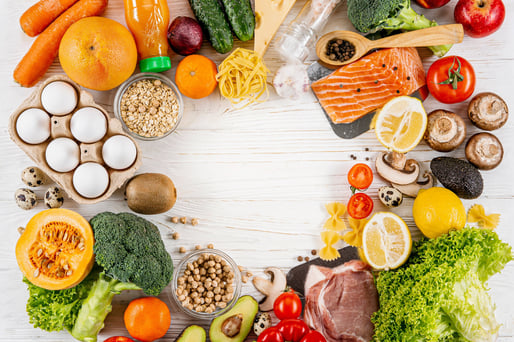
Nutrition: calorie control, whole foods, reduced sugar and fat intake
Protein: helps you feel full and supports weight loss by boosting metabolism and helping your body burn more calories. ex. eggs, lean meats (chicken, turkey, beef), fish (salmon, tuna, mackerel), greek yogurt and cottage cheese.
Fiber: fiber-rich foods, like whole grains (brown rice, oatmeal), fruits, vegetables, and beans, help you feel fuller for longer, reducing cravings and overeating.
Healthy fats: Avocados, nuts, nut butters, olive oil and other healthy fats are important for overall health and can be part of a balanced diet for weight loss.
Limit processed foods and added sugars: Reduce intake of sugary drinks, processed snacks, and foods high in refined carbohydrates, as they can contribute to weight gain.d
Other beneficial foods:
Cruciferous vegetables: broccoli and cauliflower are low in calories and high in fiber.
Nuts: can be a healthy snack in moderation, providing protein, fiber and healthy fats.
Fish: like salmon, tuna and mackerel are rich in omega-3 fatty acids and protein.
Whole grains: brown rice, barley and whole-wheat pasta are better choices than refined grains.
Dark chocolate: can be enjoyed in moderation, offering antioxidants and a satisfying treat.
Note: Each individual has specific dietary needs based on chronic medical conditions, the guidelines above should be tailored to the needs of those individuals who have hypercholesterolemia, high blood pressure and diabetes. Basically what you want to do is to have your patient cut calories and eat healthier foods.
Exercise: at least 150 - 300 minutes of moderate intensity activity per week. Aerobic and strength training exercises. If patients have high blood pressure, hypercholesterolemia and/or have been living a mainly sedentary type lifestyle before any exercises start, they should get a cardiac clearance for exercise to rule out clogged coronary arteries to prevent a heart attack.
Aerobic Exercises:
Running: A high-impact exercise that burns a significant number of calories.
Swimming: Low impact, full body exercise that is easy on the joints.
Cycling: Low impact exercise that can be done indoors or outdoors, offering a good calorie burn.
Walking: Great starting point for beginners, sustainable way to increase daily activity.
Jumping Rope: Fun and effective way to elevate your heart rate and burn calories in a short time.
HIIT (Hight-Intensity Interval Training): Involves short bursts of intense exercise following by brief rest periods, known for effectiveness in boosting metabolism.
Strength Training:
Squats, lunges and push-ups: Bodyweight exercises that work multiple muscle groups.
Dumbbell exercises: Incorporating weights can increase the challenge and help build muscle. ( which helps boost metabolism)
Weight machines: When used properly by adding weight slowly in incremental order can help build up muscle mass. Along with using gym equipment like treadmills, stationary bikes or rowing machines can provide variety.
Pilates and Yoga: These practices can improve flexibility, balance and core strength which can indirectly support weight loss.
The main important thing to note about diet and exercise is to remain consistent with changes made to lifestyle to ensure you get the positive outcome you are hoping for that is to lose weight. When choosing your exercise plan, make sure you choose exercises you enjoy doing as this will enable to stay on track to reach your weight goal. Always remember that exercise alone is not sufficient for weight loss, a change to a healthy low calorie, low sugar, low fat diet will help to enable you to be on your way to weight loss. Patients should seek help from a healthcare professional or certified fitness trainer to get workout plain tailored to specific needs and fitness level. Remember to start slow and work your way up to a more vigorous routine is the best way to go.
NEXT TOPICS COMING UP:
PHARMACOLOGICAL AND SURGICAL THERAPIES
FOR WEIGHT LOSS IN OBESE PATIENTS
freepix.com




My post content